


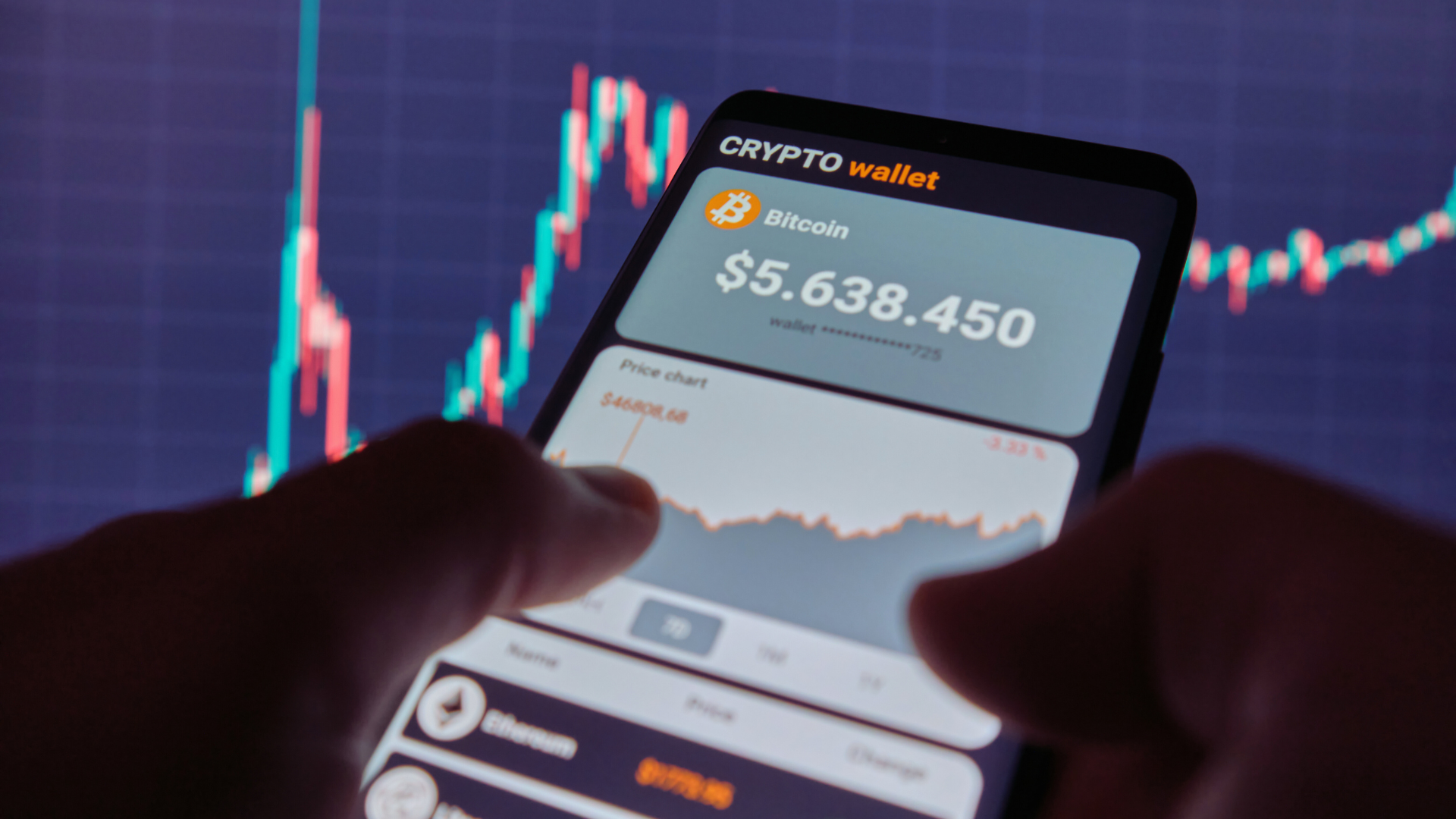
Mobile users need crypto wallets that balance security, ease of use, and access to a variety of cryptocurrencies. The best crypto wallets for mobile users offer a combination of strong encryption, user-friendly interfaces, and support for multiple coins and tokens.
Choosing the right wallet can protect your assets while allowing seamless transactions on the go. This guide highlights key options that meet these criteria and fit various user needs and preferences.
What Are Crypto Wallets for Mobile Users?
Crypto wallets for mobile users provide secure ways to store, send, and receive cryptocurrencies using smartphones or tablets. They vary in features, security levels, and user interfaces to accommodate different needs and experience levels.
Definition and Purpose
A crypto wallet for mobile users is an application that allows individuals to manage cryptocurrencies directly from their mobile devices. Unlike traditional wallets, these store private keys necessary to access and control digital assets.
The purpose is to enable quick, convenient transactions and portfolio management while maintaining control over the crypto. Wallets do not store the actual coins but enable interaction with blockchain networks. Security and ease of use are critical aspects since mobile devices are more vulnerable to theft or hacking.
Types of Mobile Crypto Wallets
Mobile crypto wallets fall into three main categories:
- Custodial Wallets – Managed by third parties like exchanges. Users rely on the service provider for security and access, which may simplify use but reduces full control.
- Non-Custodial Wallets – Give users full control over their private keys and funds. More secure, yet requires users to manage backups and security themselves.
- Hybrid Wallets – Blend custodial and non-custodial features, offering some convenience with partial control over keys.
Most mobile wallets support multiple cryptocurrencies, but some specialize in certain tokens or blockchains.
Key Components of Mobile Wallets
Essential components include:
- Private Keys: Cryptographic keys stored securely on the device, enabling ownership proof and transaction signing.
- Seed Phrases: Backup phrases to restore wallet access on new devices.
- User Interface: Design and navigation that impact usability and safety during transactions.
- Security Features: Options like biometric authentication, PIN codes, and encryption improve protection against unauthorized access.
- Network Connectivity: Wallets connect to blockchain nodes or providers to fetch balances and broadcast transactions.
A balance between security and convenience defines the effectiveness of a mobile crypto wallet.
Top Features to Look for in a Mobile Crypto Wallet
Choosing a mobile crypto wallet requires attention to key aspects that affect security, ease of use, and currency compatibility. These factors determine how safely and efficiently you can manage various digital assets on the go.
Security and Authentication Methods
Security is the cornerstone of any crypto wallet. Look for wallets that offer two-factor authentication (2FA) or biometric verification, like fingerprint or facial recognition. These add extra layers beyond just a password, reducing the risk of unauthorized access.
Some wallets provide hardware-level encryption to protect private keys stored on the device. A strong backup and recovery process is also essential, allowing users to restore their wallets if the phone is lost or damaged. Avoid wallets that store private keys on external servers or expose them to third parties. Always check for regular security updates from developers.
User Experience and Interface
The wallet should be intuitive, with a clean design that makes navigation easy even for beginners. Clear menus, quick access to sending and receiving functions, and real-time transaction tracking improve usability.
Good wallets support customizable settings like fiat currency display options and display themes. Speed is another factor; the app should respond quickly without freezing or crashing. Support for push notifications for confirmations and price alerts enhances control. Integration with decentralized applications (dApps) via browser or in-app features is a plus for advanced users.
Multi-Currency Support
Mobile wallets that handle multiple cryptocurrencies reduce the need for many separate apps. Look for wallets supporting popular coins like Bitcoin, Ethereum, and Litecoin, alongside emerging tokens from networks like Binance Smart Chain or Solana.
The wallet must provide efficient token management, including easy coin swapping and tracking balances in one place. Compatibility with popular token standards such as ERC-20, BEP-20, and TRC-20 is important. Some wallets offer built-in exchange features, allowing swaps without leaving the app, saving time and transaction fees.
| Feature | Why It Matters |
| Multi-chain support | Manage various crypto assets seamlessly |
| Token swap function | Exchange tokens instantly |
| Real-time balance update | Accurate portfolio tracking |
Best Crypto Wallets for iOS Devices
iOS users benefit from wallets that emphasize security, ease of use, and compatibility with the Apple ecosystem. These wallets support multiple cryptocurrencies, offer user-friendly interfaces, and integrate features like biometric authentication.
Leading Wallets Overview
Trust Wallet is popular for its broad crypto support and simple design. It offers secure private key storage on-device and supports DeFi and NFT interactions. MetaMask is favored for Ethereum and ERC-20 tokens, with a well-integrated mobile extension and browser capabilities.
Coinbase Wallet stands out for its direct connection to the Coinbase exchange and strong user protections. Another option, Exodus Mobile, provides an intuitive interface with built-in portfolio tracking and exchange features.
Each wallet varies in supported assets, with Trust Wallet offering over 160 coins and MetaMask focused primarily on Ethereum-based tokens. User experience also differs, from Coinbase’s beginner-friendly approach to Exodus’s more visual portfolio management.
Strengths and Weaknesses of Each Wallet
Trust Wallet offers strong security and multi-asset support. Its weakness lies in the absence of a direct exchange within the app, requiring external swaps.
MetaMask is excellent for Ethereum and DeFi users who need dApp compatibility. However, it can be complex for beginners and lacks full multi-blockchain support.
Coinbase Wallet combines ease of use with robust security, including biometric login. It is less customizable and is tied closely to the Coinbase ecosystem.
Exodus Mobile provides a visually appealing design and easy portfolio monitoring. It falls short in advanced trading tools and lacks some security features like two-factor authentication.
| Wallet | Strengths | Weaknesses |
| Trust Wallet | Broad asset support, security | No built-in exchange |
| MetaMask | Ethereum focus, dApp access | Complex for beginners |
| Coinbase Wallet | User-friendly, biometric login | Ecosystem locked, less customization |
| Exodus Mobile | Visual design, portfolio tracking | Limited advanced features |
Best Crypto Wallets for Android Devices
Android offers a wide range of crypto wallets that balance security, usability, and compatibility. Key considerations include multi-currency support, user interface, and integration with DeFi or DApps.
Popular Choices for Android
Trust Wallet is highly favored for its simple UI and support for multiple blockchains, including Ethereum, Binance Smart Chain, and more. It allows staking and offers access to a built-in DApp browser.
Coinbase Wallet stands out for its connection to the Coinbase exchange, strong security features, and straightforward backup options. It supports a broad range of tokens and NFTs.
Exodus offers an intuitive design and integrates with a desktop wallet for easy asset management. It supports over 100 cryptocurrencies and provides portfolio tracking.
Atomic Wallet supports more than 500 tokens, offers atomic swaps, and provides control over private keys. It also features staking for certain coins.
Pros and Cons of Each Wallet
| Wallet | Pros | Cons |
| Trust Wallet | Easy to use; multi-chain support; built-in DApp browser | No built-in exchange aggregation; occasional bugs reported |
| Coinbase Wallet | High security, easy backup, good for beginners | Limited DeFi options; tied to the Coinbase ecosystem |
| Exodus | Sleek interface; desktop integration; portfolio tracking | Closed source; higher fees on swaps |
| Atomic Wallet | Private key control; many tokens supported; staking | No hardware wallet support; average customer support |
Each wallet offers specific strengths depending on the use case. Security-oriented users might prefer Coinbase Wallet, while those exploring DeFi may lean toward Trust Wallet or Atomic Wallet.
Security Best Practices for Mobile Crypto Wallets
Mobile crypto wallets require careful handling to maintain security. This includes setting up reliable backup methods, safeguarding against hacks and scams, and ensuring the wallet software remains up to date.
Backup and Recovery Options
Creating a secure backup of your wallet is essential. Most wallets provide a seed phrase—a series of 12 to 24 words—that must be stored offline in a safe place. Never save this phrase on cloud drives or digital notes to prevent unauthorized access.
Consider using physical methods like a metal backup plate to resist damage from fire or water. Additionally, keep multiple copies of the seed phrase in different secure locations to reduce the risk of total loss.
Regularly test your recovery process if possible, to ensure you can restore your wallet without issues. This practice avoids surprises if your device is lost or damaged.
Protecting Against Hacks and Scams
To prevent hacks, enable all available security features such as two-factor authentication (2FA) and biometric locks. Avoid downloading wallet apps from unofficial sources and verify app authenticity through reviews and developer details.
Be cautious with links and attachments claiming to offer wallet updates or giveaways. Phishing attempts often target mobile users by mimicking official communications.
Always double-check recipient addresses before sending funds. Malware and man-in-the-middle attacks can alter addresses to divert your cryptocurrency.
Regular Updates and Maintenance
Keep your wallet app updated to the latest version. Developers release updates to patch security vulnerabilities and improve functionality.
Enable automatic updates if available, but review update details to avoid unwanted changes. Update your mobile operating system regularly as well, since it protects the device and the apps it runs.
Periodically review your wallet permissions and remove unnecessary access to enhance security. Clear cache or temporary files if recommended by the app’s guidelines.
Comparing Custodial and Non-Custodial Mobile Wallets
Custodial and non-custodial wallets differ mainly in how user control and security are handled. These differences impact user experience, risk exposure, and trust requirements. Understanding these distinctions helps users choose the best solution for their needs.
Control Over Private Keys
In non-custodial wallets, users hold their private keys directly. This grants full control but also full responsibility. Losing the keys means losing access to funds permanently. There is no third party involved in key management.
Custodial wallets, by contrast, store private keys on behalf of users. This reduces direct control but shifts security responsibility to the service provider. Users trust providers to safeguard their keys and can often recover access via customer support.
Key points:
- Non-custodial: User controls private keys, no recovery if lost.
- Custodial: Provider controls keys, supports recovery options.
Ease of Use vs. Security
Custodial wallets prioritize convenience. They often offer simpler interfaces, faster transaction processing, and integrated services like fiat on-ramps. This appeals to users new to crypto or those preferring less technical involvement.
Non-custodial wallets enhance security by eliminating third-party custody. However, they require users to manage backups and understand cryptographic concepts. The trade-off is higher privacy and control at the cost of complexity.
| Feature | Custodial Wallets | Non-Custodial Wallets |
| User Experience | Simple, user-friendly | More complex, requires care |
| Security Model | Relies on the service provider | User is responsible for keys |
| Recovery Options | Usually available | Only via backup phrases |
| Privacy | Limited by the provider | Higher due to direct control |
Integrations and Additional Features
Mobile crypto wallets now include essential capabilities beyond simple storage. These range from buying crypto within the app to interacting with decentralized platforms. Users also benefit from options to earn rewards through staking.
In-App Crypto Purchases
Many mobile wallets integrate with fiat gateways, allowing users to buy cryptocurrencies directly within the app. This eliminates the need for external exchanges and speeds up the process of adding assets.
Supported payment methods typically include credit cards, bank transfers, and even Apple Pay or Google Pay. Fees and transaction times vary by provider but remain competitive.
Security measures such as two-factor authentication and encryption help protect purchase data. Some wallets also offer price alerts and order limits to assist informed decision-making during purchases.
Decentralized Application Access
Access to decentralized applications (dApps) is a critical feature for mobile users wanting more than just asset storage. Wallets with built-in dApp browsers enable direct interaction with services like decentralized finance (DeFi), gaming, and NFT marketplaces.
This feature removes the need for switching devices or copying wallet addresses. Users can connect their wallets and approve transactions in real-time, streamlining the experience.
Compatibility with Ethereum-based dApps remains the most common, but wallets supporting multiple blockchains offer increased flexibility for users involved in various ecosystems.
Staking and Earning Capabilities
Staking allows users to earn passive income by locking up cryptocurrencies to support network operations. Many mobile wallets now provide integrated staking options.
The process usually involves selecting a validator and delegating tokens through the wallet interface. Rewards vary depending on the asset staked and the network’s rules.
Some wallets go further by offering yield farming or interest-earning accounts. These features enable users to maximize returns without moving funds across separate platforms, all from within the mobile app.
Considerations for Choosing the Right Mobile Crypto Wallet
Selecting a mobile crypto wallet requires careful attention to what cryptocurrencies it supports, the quality of customer service, and how well it works with your device’s hardware. These factors impact usability, security, and access to your assets.
Supported Cryptocurrencies
The range of cryptocurrencies a wallet supports is crucial for users with diverse portfolios. Some wallets handle only major coins like Bitcoin and Ethereum, while others cover hundreds of altcoins and tokens.
Check if the wallet supports ERC-20 tokens or coins from various blockchains such as Binance Smart Chain, Solana, or Polkadot. This flexibility allows managing multiple assets without juggling different apps.
Also, consider if the wallet provides real-time market data and trading features for your preferred coins. Avoid wallets that limit you to a narrow selection if you plan to expand your holdings.
Customer Support and Community
Reliable customer support can solve issues quickly, preventing potential losses. Look for wallets offering 24/7 support via live chat, email, or phone.
A strong community on platforms like Reddit or Telegram can supplement official support, sharing troubleshooting tips and updates.
Evaluate how frequently the wallet receives updates and bug fixes. Developers who actively maintain the wallet demonstrate commitment to security and user experience.
Hardware Compatibility
Mobile wallets must align with your device’s operating system, whether iOS or Android. Some wallets offer enhanced features or better security on specific platforms.
Check if the wallet supports biometric authentication, such as fingerprint or facial recognition. This adds a layer of security tailored to modern smartphones.
Consider whether the wallet integrates with hardware wallets for cold storage. This hybrid approach combines mobile convenience with offline security.
Future Trends in Mobile Crypto Wallets
Mobile crypto wallets are evolving rapidly with improvements in security, user experience, and legal compliance. These developments will shape how users access, protect, and manage their digital assets on mobile devices.
Biometric Security Advances
Biometric authentication is becoming a core feature in mobile crypto wallets. Technologies like fingerprint scanning, facial recognition, and even voice authentication enhance security by reducing the risk of unauthorized access.
Newer methods, such as multi-factor biometric systems, combine different biometric inputs to create layered protection. This minimizes reliance on passwords that can be stolen or forgotten. Some wallets are integrating hardware-level biometric sensors directly to prevent spoofing and hacking.
Users can expect increased adoption of on-device biometric data processing, which keeps sensitive information local and reduces exposure to cloud vulnerabilities. The move toward decentralized identity solutions also ties biometrics to blockchain for added user control and privacy.
Cross-Platform Synchronization
Mobile wallets are increasingly supporting seamless synchronization across devices and operating systems. This enables users to access their crypto portfolios on smartphones, tablets, and desktops with consistent functionality and security.
To maintain synchronization, wallets rely on encrypted cloud backups and decentralized key management. This approach allows users to recover wallets quickly without compromising private keys. Some solutions use zero-knowledge proofs to verify transactions and data without exposing sensitive details.
Cross-platform support also facilitates multi-device authorization. Users can perform transactions using one device while confirming them on another, adding an extra layer of fraud prevention.
Regulatory Developments
Regulations affecting mobile crypto wallets are intensifying worldwide. Governments are focusing on anti-money laundering (AML), know-your-customer (KYC), and data privacy policies that wallets must comply with.
Wallet providers increasingly integrate KYC checks without sacrificing user convenience. Some use biometric verification and AI to automate identity validation. Compliance demands have led to enhanced reporting tools built into wallets for easier audit and tracking.
Regulatory clarity on custody definitions impacts how wallets classify asset ownership and liability. Mobile wallets are adapting by implementing legal frameworks that separate custodial and non-custodial services, giving users clearer rights and responsibilities.