


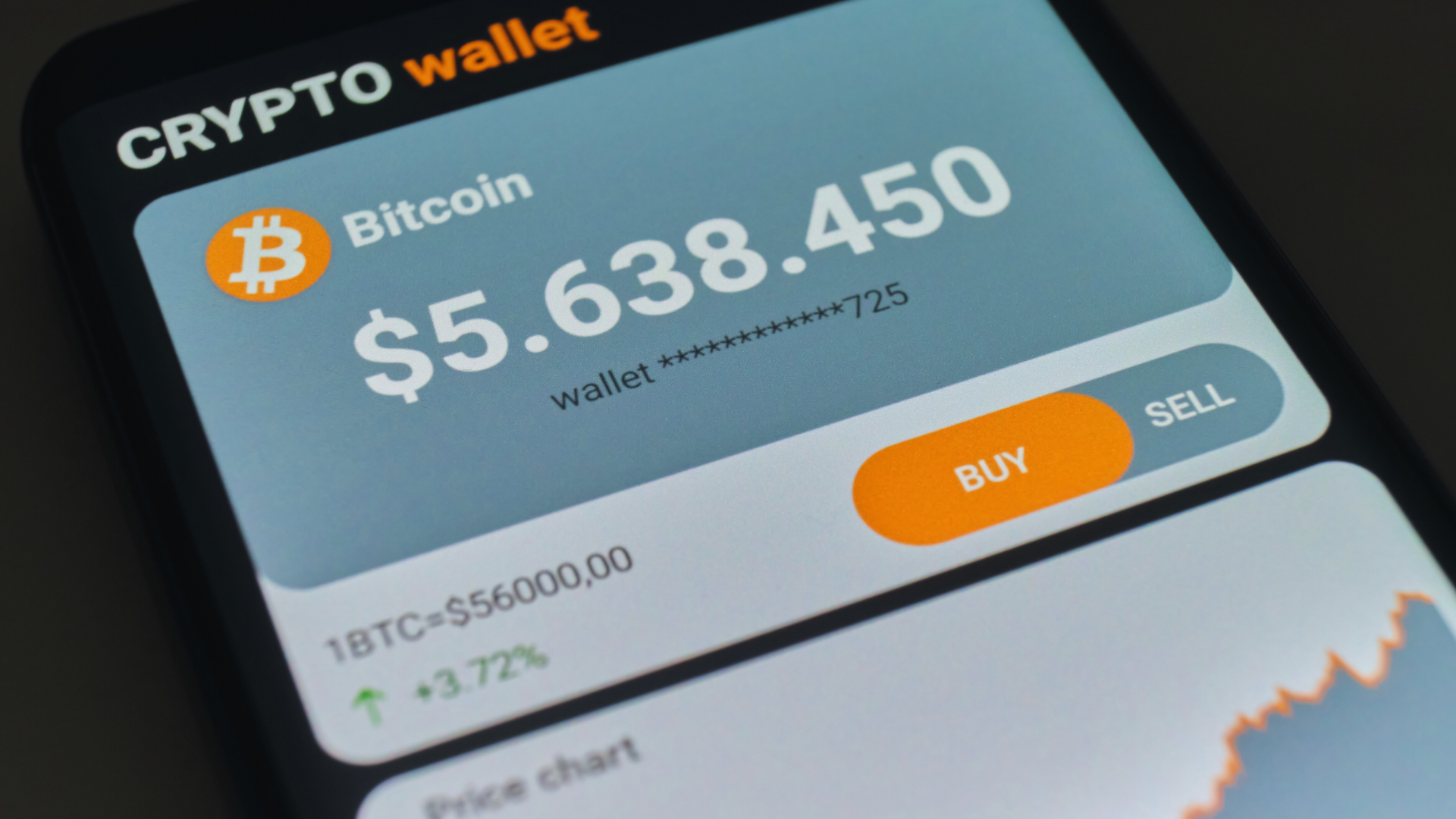
Choosing the right crypto wallet depends on your priorities for security, ease of use, and how you plan to access your funds. A wallet that balances strong security features with user-friendly controls is essential for safely managing your digital assets.
Different wallets offer various levels of control, from hardware wallets that keep your keys offline to software wallets that provide quick access. Understanding these options helps you pick one that matches your needs, whether you’re a beginner or an experienced trader.
Understanding Crypto Wallets
Crypto wallets store and manage your digital assets by securing private keys and enabling transactions. They come in several forms, each with different security levels and usability. Understanding the mechanisms behind these wallets helps you pick the best option for your needs.
What Is a Crypto Wallet?
A crypto wallet is a software or hardware tool that allows you to store and manage cryptocurrencies. It doesn’t store coins directly but keeps the private keys needed to access and transfer your digital assets on the blockchain.
Wallets serve two primary functions: key management and transaction signing. The private key proves ownership of the cryptocurrency, while signing authorizes transfers. Without a wallet, you cannot interact with or move your crypto holdings.
Types of Crypto Wallets
Crypto wallets are generally divided into two categories: hot wallets and cold wallets.
- Hot wallets are connected to the internet and include desktop, mobile, and web wallets. They offer convenience but are more vulnerable to hacking.
- Cold wallets are offline devices like hardware wallets and paper wallets. They provide higher security by keeping private keys inaccessible to online threats.
Choosing the right type depends on balancing security and accessibility. Frequent traders tend to prefer hot wallets, while long-term holders rely on cold wallets for safety.
How Crypto Wallets Work
Crypto wallets work by generating a pair of cryptographic keys: a public key and a private key. The public key functions like an address for receiving funds, while the private key grants access to spend those funds.
When you initiate a transaction, the wallet uses your private key to create a digital signature. This signature verifies your identity without exposing your private key. The transaction is then broadcast to the network for validation.
Most wallets use seed phrases—a list of 12 or 24 words—to back up and restore access. Losing your seed phrase means losing access to your assets permanently, emphasizing the need for careful key management.
Key Factors to Consider When Choosing a Crypto Wallet
Choosing a crypto wallet involves evaluating how well it protects your assets, how simple it is to operate, the types of cryptocurrencies it supports, and how it manages backup and recovery. Each factor has practical implications for security and accessibility.
Security Features
Security is the most critical aspect of any crypto wallet. Look for wallets that offer two-factor authentication (2FA), ensuring only authorized users can access the wallet. Hardware wallets provide an additional security layer by storing private keys offline, protecting against hacking attempts.
Check for encryption standards that secure private keys. Multi-signature functionality is also valuable, as it requires multiple approvals to move funds, reducing the risk of theft or unauthorized transactions.
Regular updates from wallet providers are essential, as they fix vulnerabilities. Avoid wallets with unclear or outdated security practices.
Ease of Use
A wallet should be intuitive, especially for beginners. The interface needs to clearly display balances, recent transactions, and options for sending or receiving crypto. Simple setup processes and clear instructions reduce user errors.
Mobile and desktop compatibility is another factor. Some wallets offer browser extensions or mobile apps, facilitating quick access and transactions. Look for features like QR code scanning for easier address entry.
Customer support availability can also impact usability. Choose wallets backed by reliable help channels or comprehensive FAQs.
Supported Cryptocurrencies
Not all wallets support every cryptocurrency. Identify wallets that support the currencies you own or plan to buy. Some wallets specialize in Bitcoin and Ethereum, while others allow storage of a wide range of altcoins and tokens.
If you trade tokens on platforms like Ethereum or Binance Smart Chain, ensure the wallet supports ERC-20 or BEP-20 tokens, respectively. Cross-chain compatibility can be useful if you manage diverse assets.
Reviewing the wallet’s supported list before choosing prevents the need for multiple wallets and lowers management complexity.
Backup and Recovery Options
Losing access to a wallet can mean losing all funds stored inside. Wallets should provide a seed phrase or recovery key to restore your wallet if your device is lost or damaged.
Make sure these recovery tools are easy to use but secure. Store seed phrases offline and avoid digital copies to reduce hacking risks.
Some wallets offer encrypted backups, while others integrate recovery through linked accounts like email or social media. Confirm the strength and privacy of these methods.
Understanding your wallet’s backup and recovery process is essential for long-term access to your cryptocurrency.
Comparing Hardware, Software, and Paper Wallets
Crypto wallets vary in security, accessibility, and convenience. Each type has distinct features suited for different user needs and risk levels.
Hardware Wallet Advantages
Hardware wallets store private keys offline on a physical device, reducing exposure to online threats. This isolation protects assets from hacking, malware, and phishing attacks.
These devices usually require physical confirmation to authorize transactions, adding a layer of security against remote theft. Popular hardware wallets include Ledger and Trezor.
However, hardware wallets come at a cost, ranging from $50 to $200. They also require care to avoid loss or damage, as losing the device without a backup can mean permanent asset loss.
Software Wallet Types
Software wallets offer flexibility by running on desktops, smartphones, or browsers. They store private keys digitally, making them more accessible but potentially more vulnerable to cyber attacks.
There are three main types:
- Desktop wallets: Installed on a computer with decent security but exposed to malware.
- Mobile wallets: Convenient for daily use with QR code scanning, but they depend on phone security.
- Web wallets: Accessible from any device but rely heavily on third-party servers, raising trust concerns.
Users must weigh convenience against security risks inherent in digital storage.
Paper Wallet Use Cases
A paper wallet involves printing or writing private keys and public addresses on physical paper. This method keeps keys completely offline, eliminating risks of hacking.
Paper wallets are suitable for cold storage or long-term holding of assets not intended for frequent use. They are inexpensive and immune to digital corruption.
Careful handling is essential. Paper can be lost, damaged, or stolen, and transferring funds requires caution to avoid exposing private keys during use.
Assessing Security and Privacy
Choosing a crypto wallet requires careful evaluation of how it safeguards your assets and personal information. Important factors include control over private keys, layers of authentication, and the level of user anonymity provided.
Private Key Protection
The foundation of wallet security lies in private key management. A wallet that allows you to retain full control over your private keys reduces the risk of third-party compromise. Hardware wallets store keys offline, making them resistant to hacks and malware.
Software wallets should use strong encryption to protect private keys stored on devices. Look for wallets that offer seed phrases—a backup of your private keys—so you can recover access if needed. Avoid wallets that hold or manage keys on your behalf, as this limits your control and increases vulnerability.
Two-Factor Authentication
Two-factor authentication (2FA) adds a critical layer of security beyond passwords. Wallets offering 2FA require a second verification step, typically a temporary code generated by an app or sent via SMS. This reduces the chances of unauthorized access from credential theft.
Not all wallets support 2FA, especially hardware wallets that rely on physical access for security. Consider wallets integrating 2FA into their login process or transaction confirmation. Evaluate the options: app-based authenticators provide stronger security than SMS due to lower risks of interception.
Anonymous Wallet Options
Anonymity varies significantly across wallet types, affecting privacy and traceability. Non-custodial wallets generally offer better privacy by not collecting user data. Some wallets use privacy protocols like CoinJoin or integrate with privacy coins like Monero.
Keep in mind that fully anonymous wallets may be less supported by exchanges or regulatory frameworks. Assess whether your need for anonymity outweighs any potential trade-offs in compatibility or compliance. Options also include wallets disconnected from your identity, enhancing privacy when transacting on public blockchains.
Specific Use Cases for Crypto Wallets
Crypto wallets vary widely depending on how you intend to use them. Key factors include security, convenience, and compatibility with specific blockchain activities. Each wallet type caters to different priorities like storage duration, transaction frequency, mobility, or decentralized finance (DeFi).
Long-Term Storage
Long-term storage requires maximum security and minimal online exposure. Hardware wallets like Ledger or Trezor are ideal because they store private keys offline, reducing hacking risks. These devices protect assets even if the connected computer is compromised.
Paper wallets are another option, where keys are printed and kept physically secure, but lack the convenience for regular access. Users should also consider backups and secure locations, such as a safe or deposit box. Regular software wallets, especially those connected to the internet, are less suited for holding assets without frequent access.
Frequent Transactions
For users who frequently send or receive crypto, speed and ease of use are priorities. Software wallets installed on desktops or mobile phones fit this need well due to their quick access and integrations with exchanges or payment services.
Features like quick QR code scanning, address book management, and low transaction fees are valuable. Wallets supporting multiple currencies reduce the hassle of juggling different apps. However, these wallets carry increased security risks and require diligent use of two-factor authentication or biometric locks.
Mobile Access
Mobile wallets provide on-the-go access and tend to be simple in design, focusing on user experience. These wallets are critical for daily crypto payments, quick trades, or managing small portfolios.
Popular options include Trust Wallet and MetaMask mobile, which support multiple blockchains and tokens. Security varies, so enabling device-level protections and cautious app permissions is essential. Mobile wallets usually sync with decentralized apps (dApps), but users should avoid storing large amounts here due to higher exposure to theft.
DeFi and dApp Integration
Decentralized finance and dApp users need wallets compatible with smart contracts and token standards like ERC-20 or BEP-20. Web3-enabled wallets such as MetaMask provide seamless interaction with exchanges, lending platforms, and NFT marketplaces.
These wallets offer features like transaction signing and gas fee adjustments. Browser extensions and mobile versions often connect to multiple dApps, allowing complex operations without exposing private keys. However, users must stay vigilant about phishing scams and verify app sources. Integration depth is a key factor when choosing a wallet for DeFi activities.
Wallet Costs and Additional Features
Choosing a crypto wallet involves understanding not just price, but the value of included features and support options. Cost structures vary widely, and design quality can significantly impact ease of use and security.
Pricing Overview
Crypto wallets range from free software wallets to hardware options costing $50 to $200 or more. Free wallets typically handle common cryptos but may lack advanced security. Hardware wallets offer offline storage, reducing hacking risk, but require upfront investment.
Fee structures differ. Some wallets charge flat fees for transactions or have subscription models for premium features. Watch for hidden costs like conversion fees or limits on transactions per month.
Consider your use case: basic storage needs might suit a free mobile or desktop wallet, while active traders or large holdings benefit from paid hardware solutions with extra security and support.
Customer Support
Reliable customer support is crucial. Look for wallets offering multiple channels: email, chat, and phone support. Response times can range from hours to days, affecting issue resolution speed.
Some wallets provide extensive FAQs and community forums. While helpful, direct contact options are important if you face security concerns or transaction problems.
Paid wallets often include priority or dedicated support. Free versions may offer limited assistance, increasing risk if you encounter technical difficulties or loss of access.
User Interface Design
A wallet’s interface impacts how easily users can manage assets safely. Clear navigation, straightforward transaction processes, and visible security alerts are key features.
Wallets designed for beginners often use simple layouts with guided steps. Advanced users might prefer customizable dashboards and detailed activity logs.
Mobile wallets prioritize touch-friendly design and quick access, while hardware wallets focus on clear, minimal displays for secure confirmation. Intuitive design reduces errors and enhances security by making important information accessible at a glance.
How to Set Up and Maintain Your Crypto Wallet
Setting up a crypto wallet requires careful attention to security and backup procedures. Maintaining it involves regular software updates and safeguarding recovery options. Understanding these steps helps prevent loss and unauthorized access.
Initial Setup Process
Start by choosing the wallet type: hardware, software, or mobile. Download the official app or use the hardware device’s setup guide. When creating your wallet, write down the seed phrase or private key securely on paper, never digitally.
Set a strong password and enable two-factor authentication (2FA) if available. Verify your backup phrase by restoring the wallet on another device before storing it safely offline. Avoid sharing your seed phrase; it is the master key to your funds.
Regular Updates
Keep your wallet software or firmware current. Updates often include security patches that protect against new vulnerabilities. Enable automatic updates or check for new versions weekly.
If using a hardware wallet, connect it to the official management app regularly and apply firmware upgrades. Disabling outdated or unused apps linked to your wallet reduces risk. Always download updates from official sources only.
Lost Access Recovery
If access is lost, recovery depends on your backup method. Use the seed phrase on a compatible wallet to restore funds and transaction history. If the phrase is lost, funds may be irretrievable.
Some wallets offer password reset options linked to email or phone, but these are rare and less secure. Store recovery details in multiple secure physical locations to prevent total loss. Never share these recovery details with anyone.
Conclusion
Choosing the right crypto wallet requires balancing security, convenience, and your specific needs. Wallets come in various forms—hardware, software, mobile, or web-based—each offering unique benefits and risks.
Consider security features first. Hardware wallets typically provide stronger protection against hacks, while software wallets offer easy access for frequent transactions.
Your level of experience also matters. Beginners might prefer user-friendly wallets with clear interfaces, whereas advanced users may seek wallets with customizable options or multi-signature support.
Make a checklist before deciding:
- Security (encryption, backup options)
- Compatibility with your devices
- Supported cryptocurrencies
- Ease of use
- Customer support quality
Remember to keep your private keys and recovery phrases safe. Losing access to these can mean losing your funds permanently.
Use multiple wallets if needed, splitting assets based on security priority and usage. Regularly update your wallet software and review security practices to stay protected.
Selecting a wallet is a critical step in managing crypto safely. The right choice depends on how you plan to use your assets and what trade-offs you’re willing to accept.