

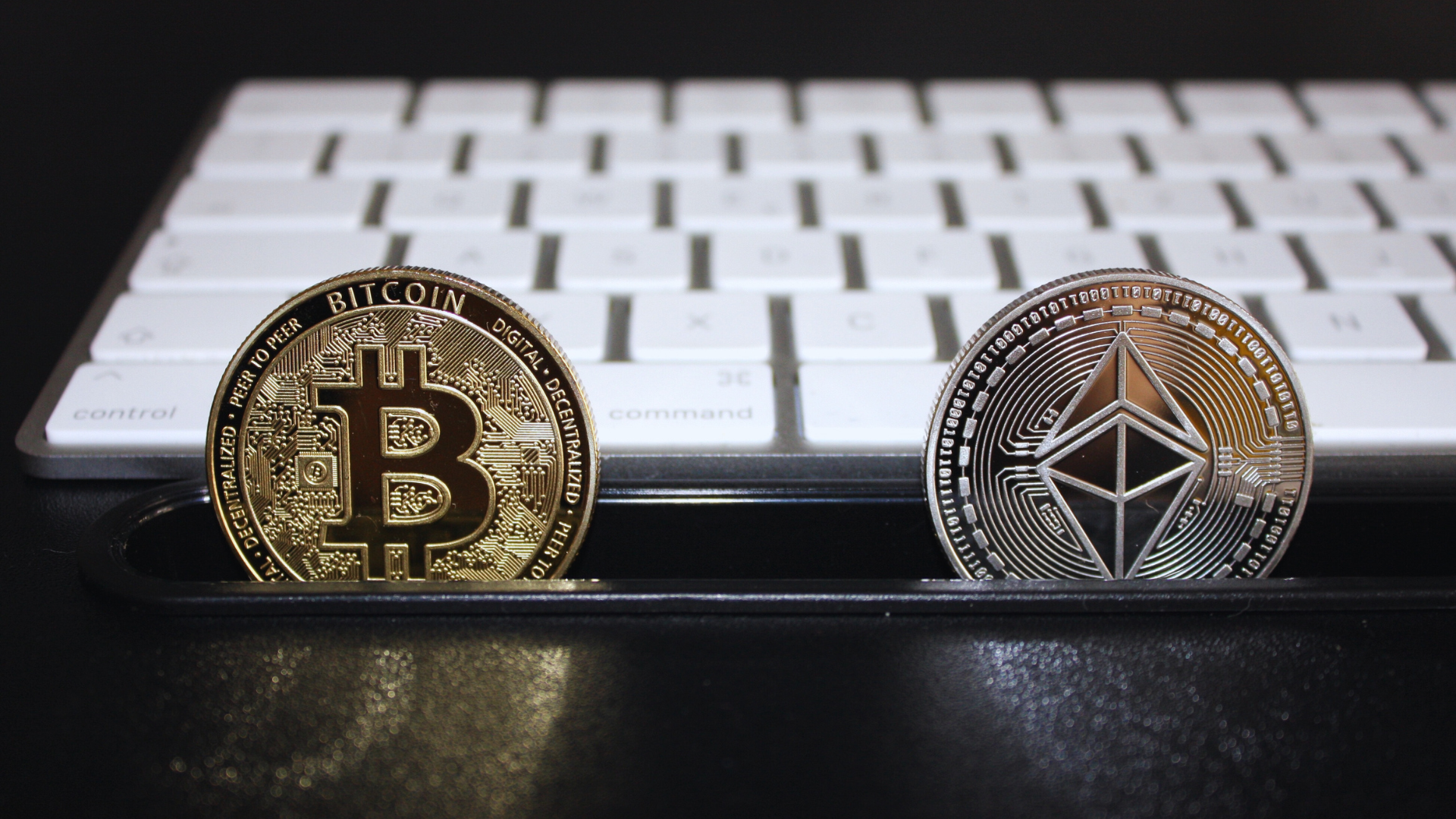
Investing in altcoins for long-term growth requires careful selection based on technology, adoption, and market potential. The best altcoins combine strong development teams, real-world use cases, and growing communities. Identifying these factors early can improve chances of sustained returns.
This post highlights several altcoins that meet these criteria and show promise for long-term value appreciation. Understanding their strengths helps investors make informed decisions rather than chasing short-term hype.
Understanding Altcoins
Altcoins encompass a wide range of cryptocurrencies aside from Bitcoin. These digital assets vary significantly in purpose, technology, and market behavior. Their development history and differences from Bitcoin provide important context for investment decisions.
What Are Altcoins
Altcoins are cryptocurrencies created after Bitcoin to improve on its design or offer new functionalities. Examples include Ethereum, which introduced smart contracts, and Ripple, focusing on fast cross-border payments. There are thousands of altcoins, each with unique features targeting specific applications or user needs.
Most altcoins run on blockchain technology but differ in consensus mechanisms, transaction speed, and supply limits. Investors often consider altcoins for diversification, as they can offer higher growth potential but come with increased risk compared to Bitcoin.
Difference Between Altcoins and Bitcoin
Bitcoin is the first and most valuable cryptocurrency, mainly designed as digital gold and a store of value. Altcoins are alternatives built to address Bitcoin’s limitations or explore new uses, such as decentralized finance (DeFi) or non-fungible tokens (NFTs).
Key differences include:
- Purpose: Bitcoin focuses on scarcity and security; altcoins often emphasize utility.
- Technology: Many altcoins use varied consensus protocols like Proof of Stake.
- Market Behavior: Altcoins can be more volatile and offer higher upside, but with less adoption and stability.
Historical Growth of Altcoins
Altcoins began gaining attention after Bitcoin’s rise, notably with Ethereum’s 2015 launch, which expanded blockchain capabilities through programmable contracts. The altcoin market grew rapidly during the 2017 and 2020-2021 bull runs.
Some altcoins have delivered substantial returns, but often with greater price swings. Market cycles have shown that while many altcoins fail, survivors that innovate or build strong communities tend to grow steadily over time.
Key Factors for Long Term Growth
Successful long-term altcoins show strength in measurable metrics. Their size in the market, the innovation behind their protocols, and the people driving their progress are critical to sustainability.
Market Capitalization
Market capitalization reflects the overall value and liquidity of an altcoin. A higher market cap typically indicates stability and widespread adoption, reducing the risk of extreme price volatility.
Smaller caps can offer growth potential but often come with greater unpredictability. Investors should carefully assess whether the market cap aligns with the altcoin’s stage of development and sector influence.
Tracking market cap trends is useful for spotting sustained growth or sudden spikes that may signal speculation, not fundamental value.
Technology and Use Case
The technological foundation of an altcoin is key to its viability. Blockchain efficiency, security protocols, and scalability measures directly impact adoption rates and user trust.
A strong, practical use case sets an altcoin apart from speculative assets. Projects focused on real-world applications such as decentralized finance (DeFi), supply chain transparency, or smart contracts often have a clearer path to longevity.
Evaluating upgrades, consensus mechanisms, and network effects helps determine whether the technology can support future demands.
Development Team and Community
The strength and consistency of the development team influence an altcoin’s evolution. Regular updates, transparent roadmaps, and problem-solving prioritization indicate a committed group behind the project.
Community engagement is equally important. Active forums, social media presence, and developer participation foster resilience and encourage third-party innovations.
A well-connected ecosystem reduces risks of abandonment and increases the chance of enduring relevance in a competitive market.
Top Altcoins Poised for Long-Term Growth
These altcoins exhibit strong fundamentals, active development communities, and practical use cases, increasing their potential for sustained value appreciation. Each offers unique technological innovations and ecosystem growth supporting their long-term prospects.
Ethereum
Ethereum remains the leading smart contract platform with the largest developer community. Its recent shift to a proof-of-stake consensus through the Ethereum 2.0 upgrade reduces energy consumption and improves scalability. These changes aim to lower transaction fees and increase throughput, making it more accessible for decentralized applications (dApps).
Ethereum supports a wide range of decentralized finance (DeFi) projects, non-fungible tokens (NFTs), and enterprise blockchain use cases. Its large network effect and continuous protocol improvements help maintain its position as a key player in the altcoin market.
Solana
Solana is known for its high throughput and low transaction costs, enabled by its unique proof-of-history consensus mechanism. It supports thousands of transactions per second, making it attractive for scalable dApps, especially in gaming and DeFi sectors.
The Solana ecosystem is rapidly expanding with many new projects and partnerships. However, occasional network outages pose risks. Despite this, its technical strengths and growing developer base support its long-term growth potential.
Avalanche
Avalanche offers fast transaction finality and interoperable subnetworks, which allow customizable blockchains within its ecosystem. This flexibility makes it appealing for both developers and enterprises seeking tailored solutions.
Its consensus protocol enables thousands of transactions per second with low latency. Avalanche’s expanding DeFi infrastructure and commitment to scaling underpin its potential for sustained adoption and value growth.
Emerging Altcoins With Promising Potential
These altcoins show distinct technological advances and growing ecosystems. Their approaches to scalability, security, and user adoption highlight specific niches in the evolving crypto market.
Arbitrum
Arbitrum is a Layer 2 scaling solution for Ethereum designed to reduce congestion and lower transaction fees. It uses optimistic rollup technology to process transactions off-chain while maintaining Ethereum’s security.
Developers benefit from full compatibility with Ethereum’s smart contracts, allowing easy migration without code changes. Its growing adoption among DeFi projects signals rising trust and usability.
Arbitrum’s focus on scalability and developer experience positions it to capture demand as Ethereum remains dominant but crowded.
Optimism
Optimism is another Layer 2 protocol built to enhance Ethereum’s capacity through optimistic rollups. It prioritizes simplicity and speed, enabling faster transactions at a fraction of the cost on the main Ethereum network.
The protocol uses a unique fraud-proof mechanism to ensure security while minimizing network delay. Its collaboration with major DeFi platforms increases liquidity and application variety.
Optimism’s open governance model aims to involve the community in upgrades, strengthening its decentralization and long-term viability.
Sui Network
Sui Network is a newer Layer 1 blockchain focusing on high throughput and low latency. It employs a novel consensus mechanism called Narwhal and Tusk for enhanced parallel transaction processing.
Sui targets use cases involving real-time gaming and digital assets, where speed and responsiveness are critical. Its object-centric data model improves efficiency over traditional blockchain designs.
With significant venture backing and active developer engagement, Sui Network aims to carve out a niche in applications requiring fast and scalable infrastructure.
| Feature | Arbitrum | Optimism | Sui Network |
| Layer | Layer 2 | Layer 2 | Layer 1 |
| Scaling Technology | Optimistic Rollups | Optimistic Rollups | Narwhal & Tusk |
| Focus | Ethereum scaling | Speed & low fees | High throughput |
| Primary Advantage | Ethereum compatibility | Fast transactions | Parallel processing |
| Use Cases | DeFi | DeFi | Gaming & digital assets |
How to Evaluate Altcoin Investment Opportunities
Evaluating altcoins requires looking at both their underlying value and market behavior. Analyzing fundamentals helps identify the real potential, while technical patterns track price movements and market sentiment.
Fundamental Analysis
Fundamental analysis focuses on the project’s core aspects. Review the team’s expertise, including developers and advisors, to assess credibility. Check whether the project has a clear use case and solves a genuine problem.
Look at the whitepaper for detailed technical and economic frameworks. Network activity metrics such as transaction volume and active users indicate real-world adoption.
Consider the coin’s tokenomics, including supply limits, inflation rate, and distribution model. Transparent governance and regular updates from the development team also show commitment.
Technical Analysis
Technical analysis uses price charts and indicators to predict future trends. Focus on moving averages (e.g., 50-day and 200-day) to understand momentum and trend direction.
Volume analysis helps confirm price moves. High volume on upward trends suggests strength; low volume may indicate weak interest.
Support and resistance levels highlight key price points where the altcoin might face buying or selling pressure. Use the Relative Strength Index (RSI) to measure overbought or oversold conditions, typically signaling potential reversals.
Combining these tools can clarify entry and exit points in volatile markets.
Risks and Challenges of Long-Term Altcoin Investing
Investing in altcoins over the long term involves navigating several critical obstacles that can affect returns and capital security. Understanding these challenges helps in making informed decisions and preparing for potential pitfalls.
Market Volatility
Altcoins are subject to extreme price fluctuations compared to traditional assets. These swings can be triggered by market sentiment, technological developments, or macroeconomic shifts. For example, a single news event or large trade can move prices by double-digit percentages within days.
Liquidity can be inconsistent, especially with smaller altcoins, leading to sharp price drops during sell-offs. Investors must be prepared for potential sudden losses and avoid relying solely on past performance to predict future stability.
Regulatory Risks
Regulatory frameworks for cryptocurrencies vary widely and continue to evolve. Governments may impose restrictions or bans that could limit access or reduce demand for certain altcoins.
Changes in tax policies, anti-money laundering (AML) requirements, or securities laws can directly impact trading, ownership, and project legitimacy. Investors should monitor legal updates in major markets like the US, EU, and China, as these often influence global regulations.
Security Concerns
Security issues include hacking, fraud, and smart contract vulnerabilities. Altcoin projects may lack robust auditing or developer oversight, increasing the risk of exploits and losses.
Storing altcoins requires secure wallets; failures in private key management or using unreliable exchanges heighten theft risk. Investors must employ strong security practices like hardware wallets and avoid unknown platforms to minimize threats.
Portfolio Strategies for Altcoin Growth
Building a strong altcoin portfolio requires targeted strategies that balance potential returns with manageable risks. Effective allocation and ongoing assessment are essential to maximize growth opportunities while protecting assets in volatile markets.
Diversification Approaches
Diversifying your altcoin holdings spreads risk across multiple projects with different use cases and development teams. This reduces the impact if a single coin underperforms or faces setbacks.
Focus on a mix of established altcoins, mid-tier tokens with growth potential, and small-cap projects offering innovation. For example:
- 40% in established coins like Ethereum or Solana
- 40% in mid-cap coins showing steady adoption
- 20% in promising small caps or niche sectors like DeFi or gaming
Diversification also means geographic and technological spread. Avoid clustering investments in altcoins tied to similar blockchain platforms or regions.
Risk Management
Setting clear risk limits is crucial given altcoins’ volatility. Limit any single coin to a maximum percentage of your portfolio, typically between 5% and 15%, depending on your risk tolerance.
Use stop-loss orders or periodic rebalancing to lock in gains and prevent large losses. Maintaining liquidity is important; keep a portion of your portfolio in stablecoins or cash equivalents to capitalize on dips.
Stay informed on project fundamentals and market trends to adjust allocations promptly. Discipline and patience help avoid emotional decisions during price swings.
Long-Term Trends Shaping Altcoin Growth
Altcoin growth is being driven by several structural factors that enhance market stability and innovation. These forces create new demand channels and shape how digital assets are integrated into broader financial systems.
Institutional Adoption
Institutional interest in altcoins has significantly increased, marking a critical shift in market dynamics. Large asset managers, hedge funds, and corporations are incorporating altcoins like Ethereum, Solana, and Avalanche into their portfolios, driven by diversification and exposure to blockchain technology.
Security, regulatory clarity, and scalable solutions are key factors attracting institutional players. Custody services and regulated exchanges now provide safer environments for large trades and holdings. This growing infrastructure reduces entry barriers and supports higher liquidity.
The presence of institutional capital often leads to more stable price movements and long-term investor confidence. Additionally, partnerships between crypto projects and traditional financial institutions help legitimize altcoins and create demand for underlying technologies.
DeFi Expansion
Decentralized finance (DeFi) continues to drive altcoin value by unlocking new financial use cases beyond simple transactions. Platforms like Uniswap, Aave, and Compound demonstrate how altcoins serve as collateral, liquidity, and governance tokens within decentralized ecosystems.
Smart contract innovation expands DeFi’s reach into lending, insurance, derivatives, and yield farming, directly affecting demand for altcoins with strong utility. These features create complex financial products that attract both retail and institutional users.
Network effects and interoperability between DeFi platforms enhance scalability and user adoption. The growth is supported by continuous upgrades aimed at increasing transaction speed and lowering costs, particularly on Ethereum and its layer-2 solutions.
| Key DeFi Applications | Impact on Altcoins |
| Lending & Borrowing | Increased collateral demand |
| Decentralized Exchanges | Higher liquidity and volume |
| Yield Farming & Staking | Long-term token holding incentives |
| Governance Voting | Strengthens community engagement |
Conclusion
Investing in altcoins requires careful analysis and a focus on projects with strong fundamentals. Long-term growth potential often comes from innovation, adoption, and the ability to solve real-world problems.
Cryptocurrencies like Ethereum, Cardano, and Polkadot stand out for their development teams and expanding ecosystems. These platforms offer scalability and smart contract capabilities that support a wide variety of applications.
Consider these factors when evaluating altcoins:
- Technology: Protocol efficiency and upgrade plans
- Community: Active developers and user base
- Use Case: Practical applications and industry relevance
- Market Position: Stability and growth potential
Diversification is crucial. Allocating funds across multiple promising altcoins can reduce risk while maximizing exposure to growth.
Remember, the crypto market is volatile, and patience is necessary. Regularly monitoring projects and adapting to changes will improve decision-making over time.
In summary, selecting altcoins for long-term investment means prioritizing quality over hype. Focus on projects with clear roadmaps and real-world impact to increase the chances of sustained growth.